

Faux Leather Seat Covers vs. Genuine Leather: How to Get a Luxury Interior for Less

A luxury vehicle interior is not just about looks. It is about how the seats feel, how easy they are to maintain, how well they handle daily use, and how the material ages over time. For many drivers, genuine leather has always been viewed as the premium choice, but it also comes with higher costs and more maintenance.
That is why faux leather has become such a smart option for drivers who want a refined interior without paying luxury-level prices. Today’s high-quality leatherette materials look cleaner, feel more comfortable, and perform far better than the stiff synthetic options many people remember from years ago.
What Are Faux Leather Seat Covers?
Faux leather seat covers are designed to give drivers the upscale appearance of leather while offering easier maintenance and more accessible pricing. They are commonly made from synthetic materials such as polyurethane, vinyl-based materials, or higher-end microfiber blends that mimic the look and feel of genuine leather.
How Faux Leather Is Made For Automotive Use
Unlike natural leather, faux leather is engineered for consistency. Manufacturers can control texture, color, thickness, and surface finish more precisely. This helps create a uniform appearance across the entire interior, which is useful for drivers who want a clean, modern look.
Because faux leather is made for practical daily use, it can often resist stains, spills, and surface wear better than poorly maintained genuine leather. That makes it especially appealing for commuters, families, rideshare drivers, pet owners, and anyone who wants a luxury-style upgrade without a complicated care routine.
Why Leatherette Is Popular In Modern Interiors
Leatherette has become common in many vehicle interiors because it delivers a premium look with less maintenance. For drivers comparing materials, faux leather seat covers can provide a strong balance of comfort, durability, and value.

What Is Genuine Leather In Car Interiors?
Genuine leather is made from animal hide, usually cowhide, and is processed through tanning, finishing, and coating. It has a natural texture and can develop character over time, but it also requires more care than most synthetic materials.
Not All Genuine Leather Is The Same
Automotive leather can vary widely. Some vehicles use higher-grade leather, while others use corrected or coated leather designed to withstand automotive conditions. Many drivers assume all genuine leather is soft, breathable, and natural, but most vehicle leather has protective coatings that affect how it feels and performs.
This means that the real-world difference between genuine leather and high-quality leatherette is often smaller than many buyers expect. In daily driving, appearance, fit, and maintenance can matter just as much as the material label.
Why Genuine Leather Requires More Maintenance
Genuine leather can dry out, crack, fade, or lose softness if it is not cleaned and conditioned properly. It is more sensitive to sunlight, body oils, heat, and neglect. Drivers who enjoy caring for their interiors may appreciate genuine leather, but those who want a low-maintenance option may prefer leatherette.
The EPA’s sun safety guidance explains how UV exposure can affect surfaces over time, and vehicle interiors face constant sunlight through windows. That makes material protection and regular care important for both leather and leatherette.
Faux Leather Seat Covers Vs. Genuine Leather: Appearance
Faux leather seat covers have improved significantly, especially in texture, grain pattern, stitching detail, and finish. For most drivers, the visual difference between quality leatherette and genuine leather is minimal once installed correctly.
Modern Faux Leather Looks More Realistic
High-quality faux leather can imitate natural grain patterns, matte finishes, and soft surface textures. Instead of looking overly shiny or plastic-like, premium leatherette can create a clean, luxury-inspired cabin that looks close to factory leather.
The biggest visual advantage is consistency. Genuine leather may vary from panel to panel, while faux leather offers a more uniform finish. Some drivers prefer this because it gives the interior a cleaner and more modern appearance.
Genuine Leather Has Natural Variation
Genuine leather has natural grain differences, which some drivers love because it feels authentic and unique. However, natural variation also means the appearance may change over time. Some seats may crease, darken, or wear faster depending on use and care.
If you want natural aging and patina, genuine leather still has appeal. If you want a consistent luxury look with easier upkeep, faux leather is often the more practical choice.
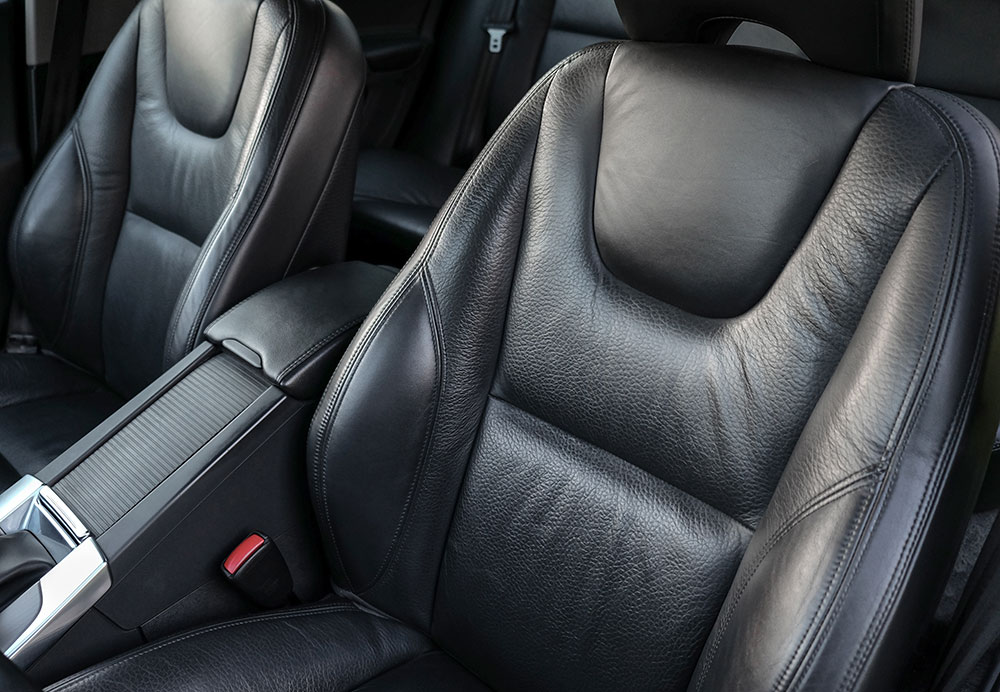
Faux Leather Seat Covers Vs. Genuine Leather: Comfort
Comfort depends on material quality, backing layers, seat design, climate, and installation. Both faux leather and genuine leather can feel comfortable, but they perform differently in daily use.
How Faux Leather Feels In Everyday Driving
Modern faux leather can feel smooth, supportive, and refined. Lower-quality options may feel stiff or overly warm, but premium leatherette materials are much better than older synthetic seat covers. Many drivers find them comfortable for commuting, errands, and long drives.
Fit also matters. A loose universal cover can feel uncomfortable no matter what it is made from. Caltrend’s custom seat covers by vehicle help improve comfort because they are designed around specific vehicle seat shapes rather than generic sizing.
How Genuine Leather Feels Over Time
Genuine leather can feel soft and breathable, especially when it is high quality and properly maintained. Over time, it may conform to the seat and develop a softer feel. However, if neglected, it can dry out and become less comfortable.
Drivers who want the feel of genuine leather must be ready for regular care. Without cleaning and conditioning, the comfort advantage can disappear over time.
Faux Leather Seat Covers Vs. Genuine Leather: Durability
Durability is one of the biggest reasons drivers choose faux leather seat covers. In real-life conditions, ease of care can make leatherette perform better for many daily drivers.
Faux Leather Handles Daily Messes Well
Faux leather is especially practical for spills, pet hair, kids, food crumbs, and daily commuting. Most messes can be wiped away quickly, which helps keep the interior cleaner with less effort. It also does not require regular conditioning the way genuine leather does.
This makes leatherette a strong option for drivers who want good-looking protection without adding another maintenance task to their routine.
Genuine Leather Can Last If Maintained Properly
Genuine leather can last a long time when cared for correctly. The problem is that many drivers do not maintain it consistently. Without proper cleaning and conditioning, leather can crack, fade, or become stiff.
For drivers who want long-term durability without a strict maintenance schedule, faux leather often provides better practical value.
Faux Leather Seat Covers Vs. Genuine Leather: Maintenance
Maintenance is where faux leather seat covers usually win. They are easy to clean, require fewer specialty products, and fit better into busy lifestyles.
Faux Leather Is Easy To Wipe Clean
Most faux leather surfaces can be cleaned with a soft cloth and mild cleaner. They do not need conditioning, and they are less likely to absorb spills immediately. This is ideal for families, rideshare drivers, pet owners, and anyone who spends a lot of time in their vehicle.
Simple maintenance also helps the seat covers continue looking premium. Keeping the surface clean and avoiding harsh chemicals can preserve the finish for years.
Genuine Leather Requires More Regular Care
Genuine leather needs more attention. It should be cleaned carefully and conditioned periodically to prevent drying and cracking. If the vehicle is parked outdoors often, sun exposure can speed up aging.
For enthusiasts who enjoy detailing their car, this may not be a problem. For most daily drivers, faux leather is simply easier to live with.
Safety And Fitment Considerations
Seat covers should improve the interior without interfering with important vehicle features. This is where custom-fit design matters.
Airbag Compatibility Matters
Many modern vehicles have side airbags built into the seats. Seat covers must be designed to allow these systems to function properly. The National Highway Traffic Safety Administration provides vehicle safety information for drivers, and seat-related safety should always be considered when choosing covers.
Cheap universal covers may not clearly explain airbag compatibility. A vehicle-specific product from a trusted manufacturer is a safer and more reliable choice.
Seat Controls, Sensors, And Heated Seats
Modern seats may include heating, ventilation, power controls, lumbar adjustment, and occupancy sensors. Seat covers should be designed to fit around these features without blocking access or performance.
Caltrend designs seat covers with vehicle-specific fitment in mind, helping drivers protect their interiors while maintaining usability.
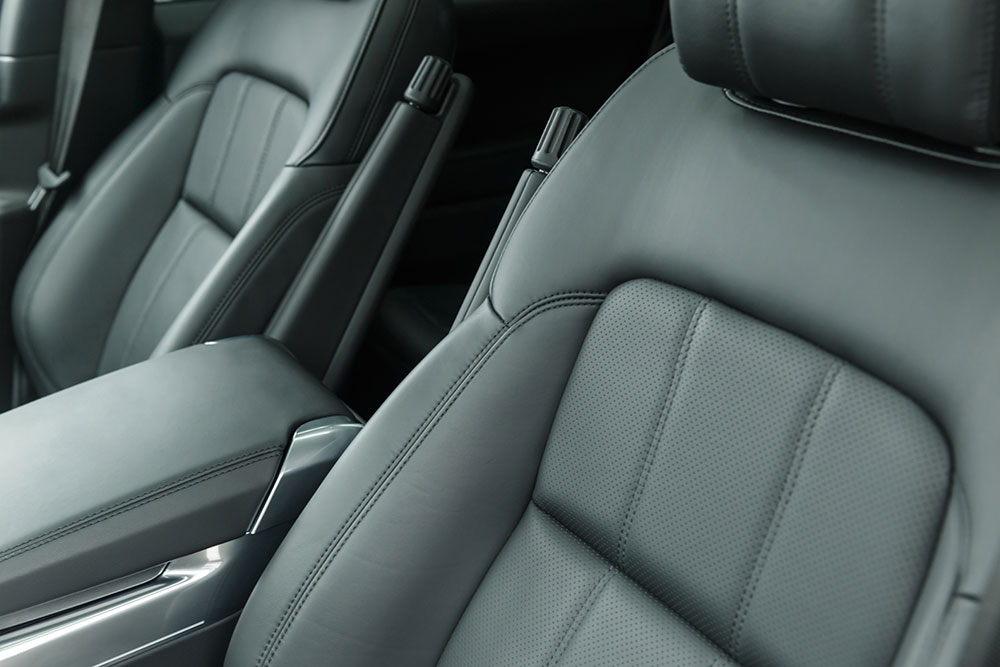
Cost Comparison: Getting Luxury For Less
Faux leather seat covers are one of the most cost-effective ways to create a luxury-style interior. Genuine leather upholstery can be expensive to install, repair, and maintain, while leatherette covers can deliver a similar visual upgrade at a lower cost.
Lower Upfront Cost
Replacing or upgrading to genuine leather can be costly. Faux leather covers allow drivers to transform the appearance of the interior without a full upholstery replacement. This makes them especially useful for older vehicles, daily drivers, work vehicles, and family cars.
A well-installed set of leatherette covers can make a vehicle feel newer and more refined without the expense of factory leather.
Better Long-Term Practical Value
The total cost of ownership includes cleaning, maintenance, repairs, and replacement. Faux leather often has the advantage because it is easier to maintain and more forgiving in everyday use.
Drivers who want long-lasting style without constant care often find that leatherette offers the best balance.
Two Extra Reasons Faux Leather Seat Covers Are A Smart Upgrade
Beyond price and appearance, faux leather seat covers offer practical benefits that many buyers overlook.
They Help Preserve Resale Appeal
Original upholstery affects how clean and well-kept a vehicle feels. Seat covers help protect factory seats from stains, scratches, fading, and wear. When the time comes to sell or trade in the vehicle, a cleaner interior can support stronger appeal.
They Work Well Across Different Vehicle Types
Faux leather works well in cars, trucks, SUVs, vans, and fleet vehicles. Drivers who want a premium look in a work truck can also explore Caltrend’s truck seat covers for rugged protection with vehicle-specific fitment.
How To Choose High-Quality Faux Leather Seat Covers
Not all faux leather seat covers are equal. Quality depends on thickness, backing, stitching, finish, fitment, and manufacturer experience.
Look For Custom Fit Instead Of Universal Sizing
Custom-fit covers are designed around your specific seat shape, which helps them look cleaner and stay in place. Universal covers may be cheaper, but they often slide, bunch, and leave gaps.
Check Stitching, Texture, And Finish
A good faux leather cover should have a structured feel, clean stitching, and a finish that looks premium without being overly glossy. Avoid thin, plastic-like materials that may crack or look cheap after installation.
Consider Your Lifestyle
If you have pets, kids, a long commute, or frequent passengers, easy-clean leatherette may be the smartest option. If you need water resistance for outdoor use, you may also compare leatherette with neoprene seat covers to decide which material fits your routine best.
FAQ
Are Faux Leather Seat Covers Worth It?
Yes. Faux leather seat covers are worth it for many drivers because they offer a luxury look, easy maintenance, strong daily durability, and a lower cost than genuine leather.
Do Faux Leather Seat Covers Look Like Real Leather?
High-quality faux leather can look very similar to genuine leather, especially when installed with a custom fit and a refined matte finish.
Are Faux Leather Seat Covers Waterproof?
Most faux leather seat covers are water-resistant, meaning spills can usually be wiped away quickly. They should still be cleaned promptly to protect the surface.
Do Faux Leather Covers Damage Original Seats?
No. Properly installed covers help protect original seats from wear, stains, fading, and spills.
Are Faux Leather Seat Covers Good For Heated Seats?
Many high-quality covers are compatible with heated seats, but you should always check product details for your specific vehicle and material.
Conclusion
Faux leather seat covers are one of the smartest ways to get a luxury interior for less. They deliver a clean, premium appearance, easy maintenance, and strong everyday durability without the higher cost and care demands of genuine leather. While genuine leather still has its place for drivers who value natural materials and are committed to upkeep, faux leather offers the better balance for most daily drivers.
At Caltrend, we manufacture leatherette seat covers built for custom fit, comfort, and long-term protection. Whether you want to refresh an older interior, protect factory upholstery, or create a more refined driving experience, Caltrend gives you vehicle-specific options designed to look great and perform every day. For questions about fit, materials, or ordering, contact Caltrend and get help choosing the right seat covers for your vehicle.

