

Why USA Made Seat Covers Matter More Than Ever in 2026

If you have shopped for automotive accessories recently, you have probably noticed that there is no shortage of options. The problem is that not all products perform the way they look online. Seat covers are one of the clearest examples of this gap. A product can appear stylish in photos but fail quickly once it faces heat, friction, spills, pets, work gear, or daily driving.
That is why more buyers are paying attention to where their seat covers are made. In 2026, USA made seat covers are not just a patriotic choice. They are a practical investment in better fitment, stronger materials, safety-conscious design, faster support, and long-term value.
What USA Made Seat Covers Really Mean
USA made seat covers matter because domestic manufacturing usually gives buyers more confidence in fitment, quality control, and product consistency. When seat covers are made closer to the customer, it becomes easier to maintain standards, refine patterns, and provide support when drivers need help choosing the right product.
Local Manufacturing Supports Better Quality Control
A seat cover is not just a piece of fabric placed over a seat. It needs to match seat contours, headrests, side bolsters, armrests, airbags, and controls. When manufacturing and quality checks are handled domestically, brands can monitor stitching, measurements, materials, and finishing details more closely.
This matters because small inconsistencies can affect the entire installation. A cover that is slightly off may slide, bunch, wrinkle, or leave important areas exposed. Better quality control helps reduce those problems and creates a more reliable customer experience.
Clearer Standards Around Made In USA Claims
Buyers are becoming more aware of labeling claims. The phrase “Made in USA” should mean more than a marketing line. The FTC’s Made in USA guidance helps explain how businesses should approach domestic origin claims responsibly. For shoppers, this makes transparency important when comparing brands.
When choosing seat covers, look for companies that clearly explain their manufacturing process, materials, fitment approach, and customer support options. That transparency helps separate serious manufacturers from low-cost sellers using vague language.
Why Fitment Matters More Than Ever
One of the biggest reasons drivers choose USA made seat covers is fitment. A cover that fits correctly looks better, feels better, protects better, and is less frustrating to live with every day.
Vehicle-Specific Fit Beats Universal Guesswork
Universal seat covers are designed to fit many vehicles, which usually means they do not fit any one vehicle perfectly. They may shift while driving, bunch around the seat base, block adjustment areas, or leave gaps around headrests and side bolsters.
Vehicle-specific seat covers are designed around real seat shapes and configurations. This helps create a cleaner appearance and better coverage. For drivers who want protection that feels intentional rather than temporary, custom fit is one of the most important features to look for.
Better Fit Improves Daily Comfort
A poorly fitted seat cover can become annoying quickly. If it slips every time you enter the vehicle or wrinkles under your back during long drives, it becomes a daily frustration. A properly fitted cover stays in place more securely and feels more natural while driving.
Material Quality Makes A Long-Term Difference
USA made seat covers often stand out because of stronger material selection and more consistent construction. A durable cover should be built for real driving conditions, not just showroom photos.
Neoprene For Water Resistance And Active Use
Drivers who deal with moisture, pets, sports gear, outdoor hobbies, or kids often need materials that can handle daily messes. Neoprene seat covers are a strong choice for water resistance, flexibility, and comfort. They work well for active drivers who want protection without sacrificing everyday usability.
Neoprene is especially useful for trucks, SUVs, and family vehicles that see everything from beach trips to gym bags. A quality neoprene cover can help protect factory upholstery from spills, sweat, mud, and light moisture.
Leatherette For A Clean Premium Look
For drivers who want a more refined interior, leatherette seat covers offer a smooth, upscale appearance with easy wipe-down maintenance. They are practical for commuters, business vehicles, and families who want protection that still looks polished.
Leatherette is also a strong option when you want a cleaner cabin without the cost and care requirements of genuine leather upholstery. It gives the interior a more finished look while still protecting the original seats underneath.
Truck Seat Covers For Heavy-Duty Use
Work trucks and daily-use pickups need extra durability. Truck seat covers are designed to handle dirt, tools, rough clothing, pets, weather exposure, and frequent entry and exit. For drivers who use their vehicle as both transportation and workspace, stronger seat protection is not optional.
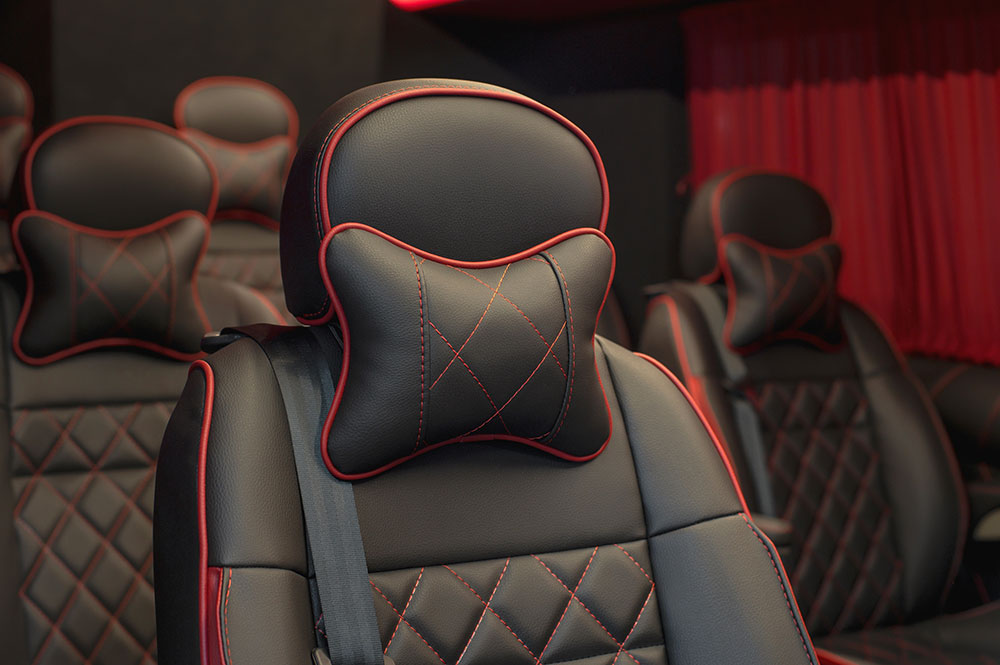
Safety Is a Bigger Deal Than Most Buyers Realize
Modern seats often include integrated safety systems, which means seat covers should be chosen carefully. A seat cover should protect the interior without interfering with airbags, sensors, seat belts, or seating position.
Airbag Compatibility Should Never Be Ignored
Many vehicles have side airbags built into the seats. Poorly designed covers may block or interfere with deployment areas. Quality manufacturers design around these systems so the covers can work properly with the vehicle’s safety features.
The National Highway Traffic Safety Administration provides broad vehicle safety information for drivers, and seat-related safety should always be part of the buying decision. When shopping, look for seat covers that clearly address airbag compatibility and vehicle-specific design.
Seat Sensors And Controls Need Proper Clearance
Modern vehicles may include occupancy sensors, heated seats, ventilated seats, lumbar controls, and electric adjustments. A generic cover can interfere with these features if it is too thick, loose, or poorly shaped.
Custom-fit seat covers reduce this risk by accounting for the seat design. That means better access to controls, cleaner installation, and fewer compromises in daily use.
Supply Chain Reliability Matters In 2026
USA made seat covers are also gaining attention because buyers want more predictable delivery, better service, and fewer quality surprises. Supply chain reliability matters for individual buyers, fleets, dealers, and businesses that need consistent products.
Faster Support And Easier Communication
When a product is made domestically, customers often have easier access to help with fitment questions, installation guidance, and order support. Good customer support can make the difference between a frustrating purchase and a confident upgrade. If you are unsure which material or fit is right for your vehicle, contacting the manufacturer is a smart step before ordering.
Better Consistency For Fleets And Repeat Buyers
Fleet managers, contractors, rideshare drivers, and repeat customers need consistency. If one batch fits well and the next batch does not, that creates unnecessary problems. Domestic production can help reduce those inconsistencies by allowing tighter oversight of patterns, materials, and finishing.
Cost Vs Value: Why Cheaper Is Not Always Cheaper
USA made seat covers may cost more upfront than low-cost universal options, but the long-term value often comes from better fit, better materials, and fewer replacements. A cheap cover that fails quickly is not really saving money.
Replacement Costs Add Up
Low-quality covers may fade, tear, stretch, or lose shape within a short time. Once that happens, buyers often replace them with another inexpensive option and repeat the cycle. Over time, that can cost more than investing in a higher-quality cover from the start.
A durable seat cover protects the original upholstery longer, maintains a better appearance, and reduces frustration. That makes value more important than the lowest initial price.
Better Covers Help Preserve Resale Appeal
Vehicle interiors matter when it is time to sell or trade in. Stained, cracked, faded, or worn seats can make a vehicle feel older than it is. Seat covers help preserve the factory material underneath, which can support better long-term interior condition.
A clean, well-protected interior also feels better every time you drive. That daily benefit is part of the value buyers often notice most.
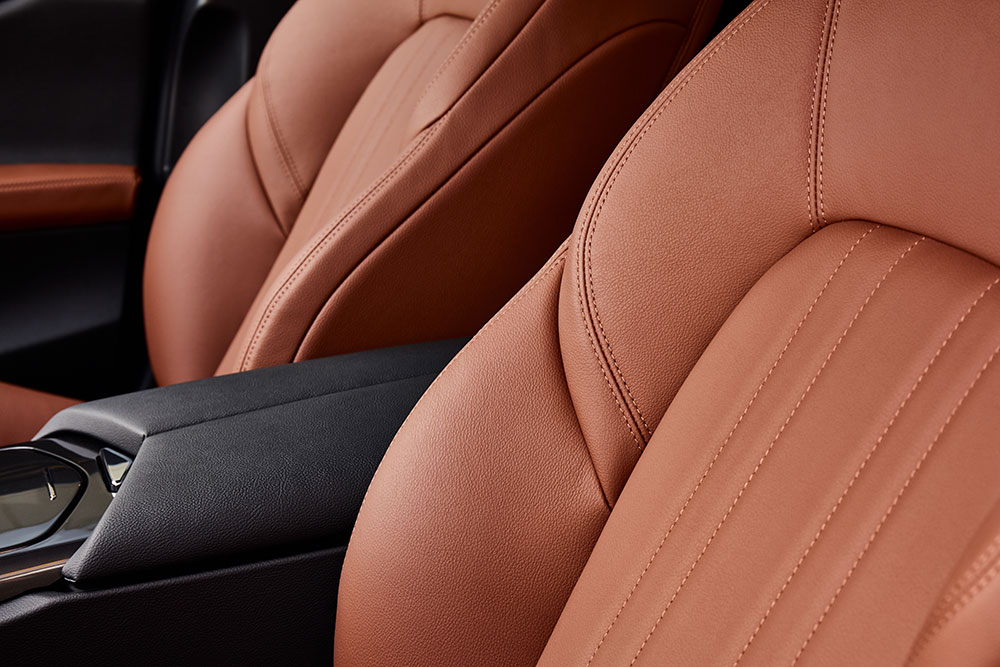
Environmental And Sustainability Considerations
USA made seat covers can also support smarter purchasing from a sustainability perspective. While every product has an environmental footprint, longer-lasting products and shorter supply chains can reduce waste over time.
Longer Product Life Can Reduce Waste
A seat cover that lasts for years is usually better than one that needs frequent replacement. Durability matters because throwaway products create more waste and more repeat shipping. Choosing higher-quality materials can reduce the cycle of buying, replacing, and discarding.
The EPA’s sustainable materials management resources offer useful background on why product life, waste reduction, and responsible material use matter. For automotive accessories, durability is one of the simplest ways to make a more responsible buying decision.
Domestic Production Can Reduce Shipping Complexity
Products made closer to customers may involve fewer long-distance shipping steps than overseas imports. While manufacturing impact varies by company and material, domestic sourcing can support a more controlled and transparent supply chain.
For buyers, this means fewer unknowns and more confidence in how the product is made, shipped, and supported.
How To Choose The Right USA Made Seat Covers
Choosing USA made seat covers should involve more than selecting a color. The best choice depends on your vehicle, lifestyle, climate, and comfort preferences.
Start With Your Exact Vehicle
Before choosing material, confirm your make, model, year, seat style, headrest design, armrest layout, and any special features. Vehicle-specific fitment is the foundation of a good seat cover purchase.
Match Material To Lifestyle
For water resistance and active use, neoprene may be the better option. For a premium wipe-clean interior, leatherette may be ideal. For trucks and heavy-use vehicles, rugged materials from the truck seat cover lineup may offer stronger everyday protection.
Think about how the vehicle is actually used. A commuter, parent, pet owner, contractor, and outdoor enthusiast all need different levels of protection.
Check Reviews, Warranty, And Support
Quality claims matter, but customer feedback and support options matter too. Look for reviews that mention fit, installation, durability, and long-term performance. Also check whether the company offers help if your vehicle is not listed or if you need installation guidance.
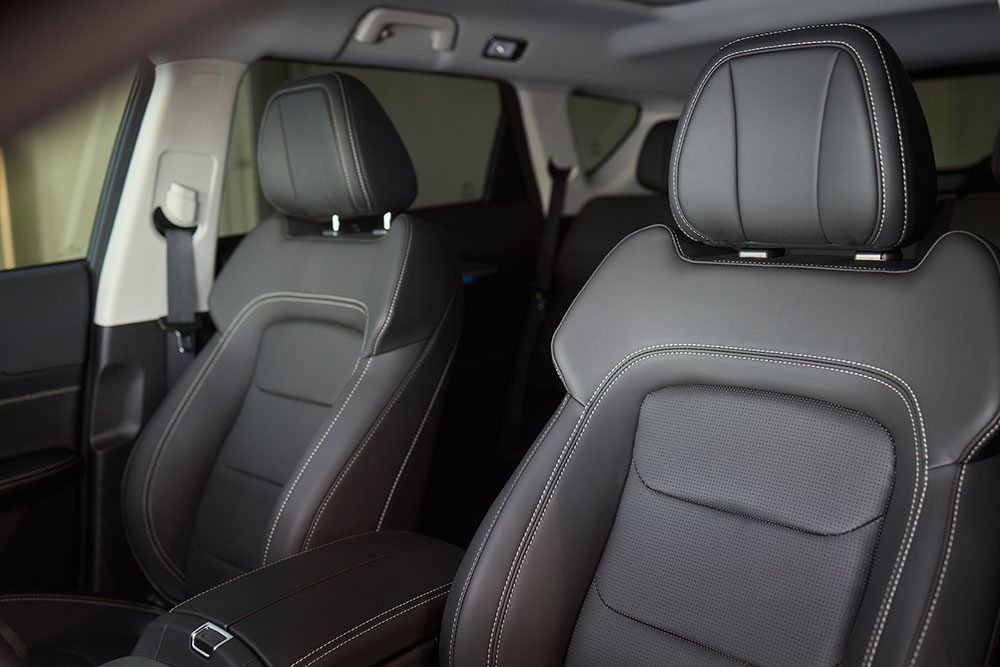
Common Mistakes Buyers Should Avoid
Even smart buyers can make mistakes when shopping for seat covers. Avoiding these issues can save time, money, and frustration.
Choosing By Price Alone
Low price can be tempting, but it should not be the only factor. A cheap cover that does not fit, fades quickly, or interferes with seat features can become more expensive in the long run.
Ignoring Safety And Fitment Details
Airbag compatibility, seat controls, sensors, and headrest openings are not minor details. They affect safety, comfort, and usability. Always choose covers designed with your vehicle’s features in mind.
Buying Without Checking Material Performance
Product photos do not tell the full story. Review the material type, water resistance, UV resistance, breathability, cleaning process, and intended use before buying.
FAQ
Are USA Made Seat Covers Really Better?
USA made seat covers often provide better fitment, stronger quality control, and more reliable support, especially when they are custom-fit for specific vehicles.
Do USA Made Seat Covers Cost More?
They may cost more upfront than low-cost universal covers, but better durability and fit can reduce replacement costs over time.
Can Seat Covers Affect Airbags?
Yes. Poorly designed covers may interfere with seat-mounted airbags. Always choose airbag-compatible covers designed for your vehicle.
What Material Is Best For Daily Drivers?
It depends on your needs. Neoprene is great for moisture resistance, leatherette is easy to wipe clean, and heavy-duty truck materials are ideal for rugged use.
Conclusion
USA made seat covers matter more than ever in 2026 because buyers want products that fit better, last longer, support modern safety features, and deliver real value beyond the first purchase. From material quality to customer support, the difference becomes clear when the covers are used every day in real driving conditions.
At Caltrend, we build seat covers around fit, durability, comfort, and long-term protection. Whether you need water-resistant neoprene, easy-clean leatherette, rugged truck protection, or vehicle-specific everyday coverage, Caltrend offers custom seat covers designed to protect your interior and improve every drive. For product questions or fitment help, you can also contact Caltrend and get support before you buy.

