

Neoprene vs. Leather: The Pro-Grade Comparison for Your Custom Interior

Deciding between Neoprene and Leather seat covers is a common dilemma. While both offer a major upgrade over factory cloth, they serve different lifestyles. Whether you prioritize a luxury aesthetic or rugged, waterproof protection, this guide breaks down the technical differences to help you choose the right investment for your ride.
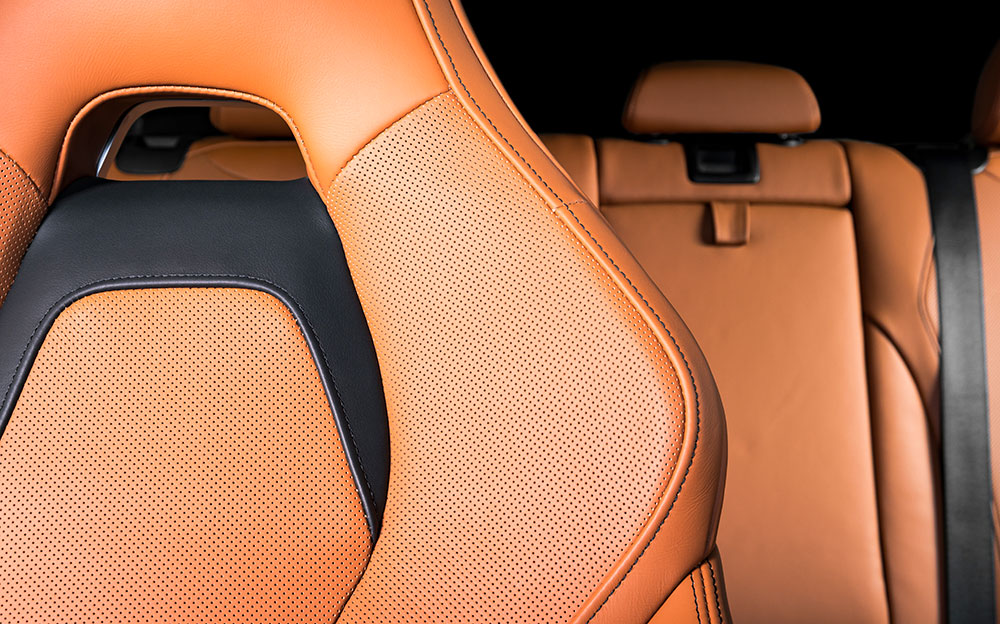
1. Style and Aesthetics: Luxury vs. Versatility
Seat covers are the fastest way to transform your cabin’s look.
- The Leather Look: Leather seat covers are the gold standard for a high-end interior. They provide a smooth finish that mimics luxury factory packages and are typically available in classic single or two-tone color schemes.
- The Neoprene Aesthetic: Neoprene seat covers offer a sporty “wetsuit” look. Because the fabric is highly receptive to patterns, you can find everything from vibrant colors to specialized Camo seat covers.
2. Price and Long-Term Value
Budget is always a factor in custom upgrades.
- Affordability of Neoprene: Neoprene is generally the more budget-friendly option, allowing full-cabin protection without the premium price of hides.
- Investment in Leather: Leather is a pricier material, reflecting its status as a luxury good. It often provides a higher boost to vehicle resale value.
- The Custom Fit Advantage: Regardless of material, a custom-fit seat cover is a better investment than universal options because it is precision-cut to your specific seat dimensions.
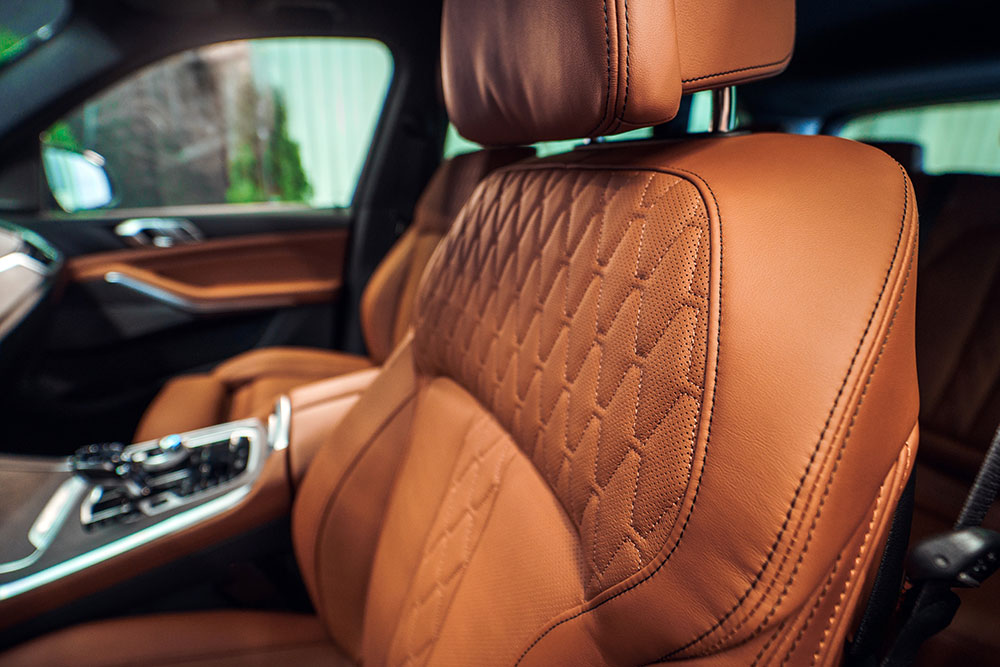
3. Durability and Maintenance
How a material stands up to daily abuse is where the debate gets technical.
Maintenance Requirements
- Leather Care: To keep leather from cracking, it must be treated periodically with specialized conditioners.
- Neoprene Care: Neoprene is remarkably low-maintenance. It does not require conditioning and is naturally resistant to sun fading.
Spill and Stain Resistance
- Leather: Most liquids will bead up if caught quickly, but they can soak into the pores if left to sit.
- Neoprene: As a closed-cell synthetic rubber, Neoprene is inherently water-resistant and often waterproof.
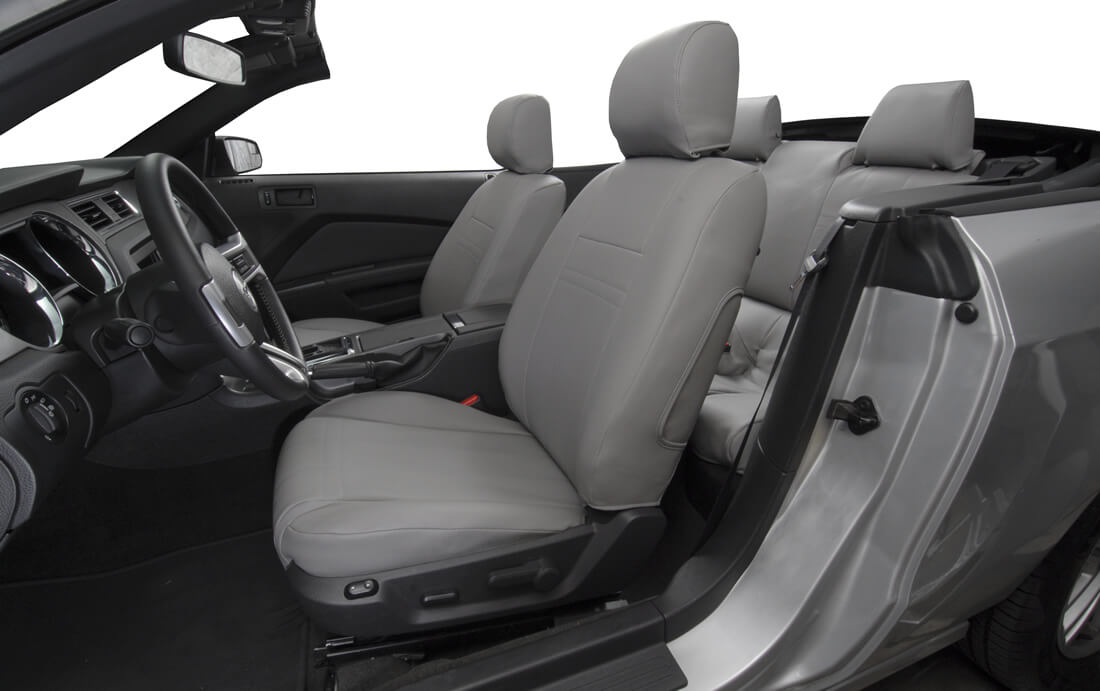
4. Lifestyle Factors: Kids, Pets, and Daily Duty
Your passengers often dictate the best material.
- The Pet Owner’s Choice: Pet hair wipes off leather instantly, but claws can scratch the surface. Neoprene is more puncture-resistant against nails but may require a vacuum to remove trapped hair.
- The “Kid-Proof” Cabin: Leather allows for a quick wipe-down of crumbs, while Neoprene’s durability makes it a favorite for dealing with sticky messes.
5. Weather and Climate Performance
| Feature | Leather Seat Covers | Neoprene Seat Covers |
| Heat Resistance | Can become very hot in direct sunlight. | Remains cool and temperature-neutral. |
| Cold Performance | Feels cold during winter months. | Naturally insulating and stays warm. |
| Waterproof Rating | Water-resistant but not fully waterproof. | Waterproof or highly water-resistant. |
Frequently Asked Questions (FAQs)
- Are Neoprene seat covers waterproof? Yes, genuine CR-grade Neoprene is 100% waterproof and provides an impermeable barrier against spills.
- Will leather covers make my seats hotter? Yes, genuine leather can absorb radiant heat, making it hotter in summer compared to temperature-neutral Neoprene.
- Are these covers safe for side-airbags? Yes. CalTrend custom covers are engineered with specialized seams for full side-airbag compatibility.
- Can I wash Neoprene covers in a machine? It is best to hand-wash with mild soap and air dry. Never put them in a machine dryer.
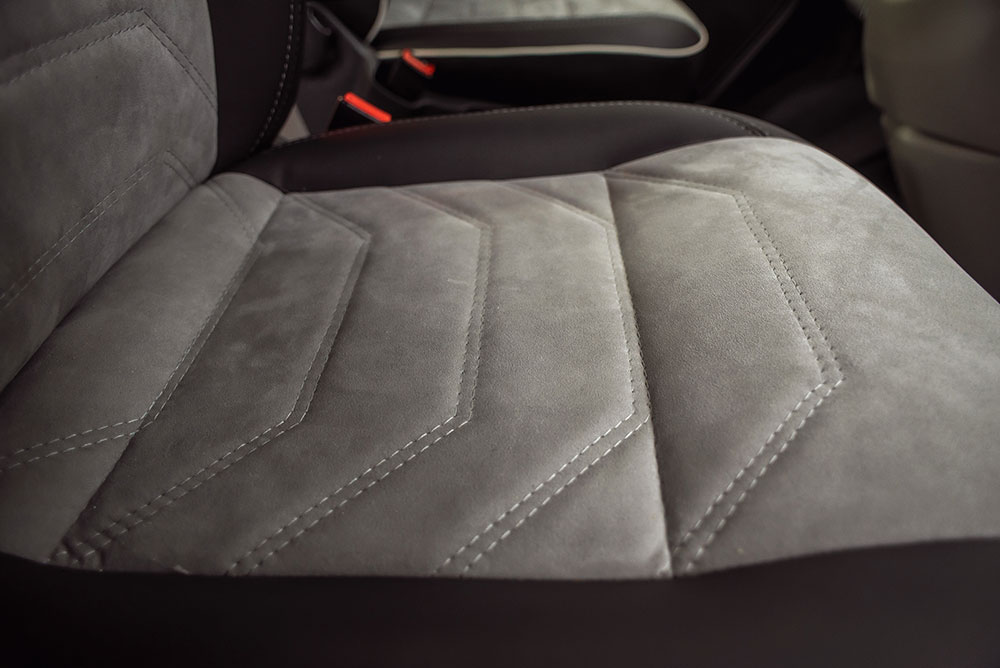
Conclusion: Which is Right for You?
There is no single winner in the Neoprene vs. Leather debate; it comes down to your individual needs. Choose Leather if you want a high-end, professional look and easy hair removal. Choose Neoprene if you have an active lifestyle, want waterproof protection, and prefer a cooler seat in the summer.
Ready to transform your interior? Explore our custom seat covers and find the perfect match for your vehicle today!
