

How Much Does it Cost to Put Leather Seats in a Car? (2026 Price Guide)

Since the invention of the automobile, the “leather interior” has remained the gold standard of luxury. It’s the first thing passengers notice, the primary factor in that “new car smell,” and one of the best ways to boost a vehicle’s resale value.
However, if your car currently has cloth or worn-out upholstery, you’re likely asking: How much does it cost to put leather seats in a car?
The short answer: It can range from $300 to $5,000 depending on whether you choose a simple custom-fit cover, a professional reupholstery job, or a factory dealership upgrade. In this guide, we break down every cost factor, the pros and cons of genuine vs. synthetic materials, and the smartest way to get the leather look without the luxury price tag.
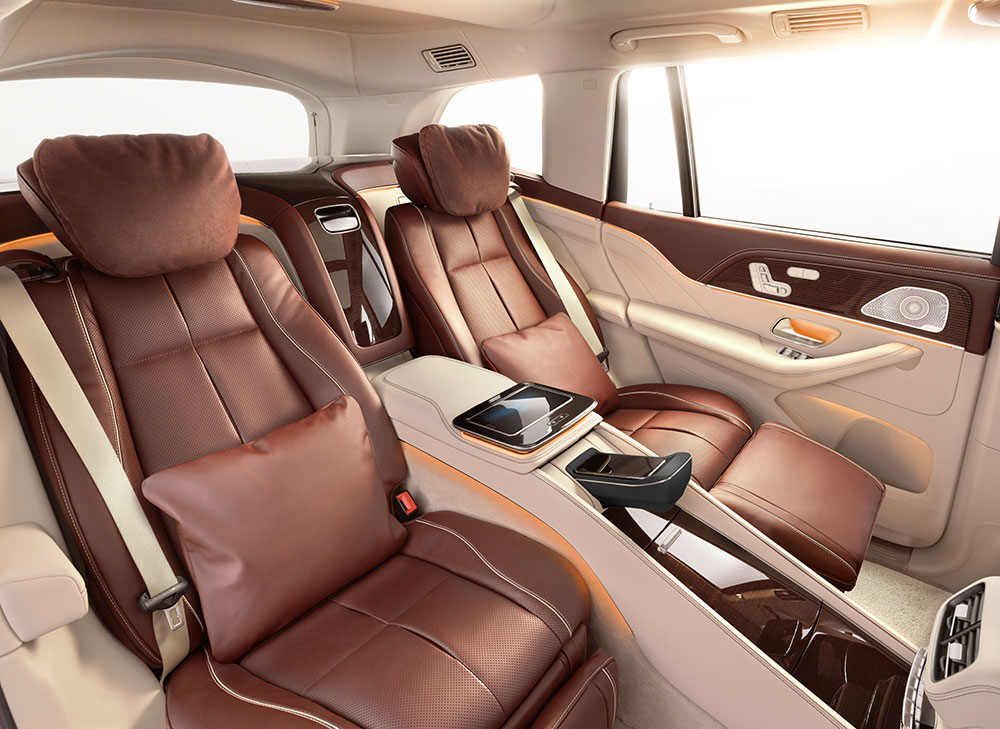
The 3 Ways to Upgrade to Leather Seats
When you decide to ditch the cloth, you generally have three paths. Each has a drastically different price point and level of difficulty.
1. Professional Auto Reupholstery ($1,500 – $3,500+)
This is the most invasive and expensive option. A professional shop will strip the original fabric off your seat frames and sew on new leather.
- Best for: Classic car restorations or luxury vehicles.
- Cost Breakdown: You are paying for high-end hides and roughly 15-25 hours of specialized labor.
- The Reality: While the fit is “perfect,” it is permanent. You cannot easily undo this if you change your mind.
2. Dealership Factory Upgrades ($2,000 – $4,500)
If you are buying a new car, the dealer will often offer a “Leather Package.”
- The Catch: Dealers rarely just give you leather seats. They bundle them with sunroofs, premium audio, or tech packages. You might pay $4,000 just to get the seats you want.
- After-Purchase Dealer Installs: Some dealers use third-party kits like Katzkin. Expect to pay a premium for the dealership’s markup.
3. Custom-Fit Leatherette Seat Covers ($300 – $800)
This is the most popular choice for modern drivers. High-quality custom seat covers are engineered using CAD (Computer-Aided Design) to fit your specific year, make, and model like a second skin.
- Best for: Daily drivers, families, and truck owners who want the look and protection without the massive bill.
- The Benefit: You get the premium feel of leather, but with the added benefit of protecting your original seats, which helps maintain your car’s resale value.
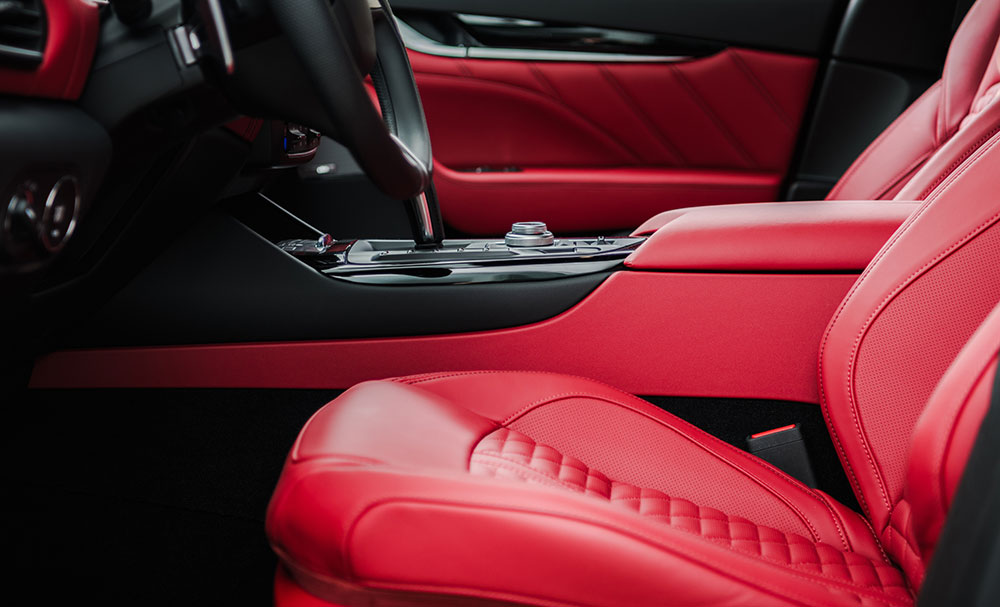
Detailed Breakdown of Leather Seat Costs by Vehicle Type
Size matters. Reupholstering a two-door sports car is a world away from a three-row SUV. Here is the average market pricing for 2026:
| Vehicle Type | Pro Reupholstery (Leather) | CalTrend Faux Leather |
| Two-Seater (e.g., Corvette) | $1,200 – $1,800 | $250 – $400 |
| Standard Sedan (e.g., Camry) | $1,800 – $2,500 | $350 – $600 |
| Pickup Truck (e.g., Ford F-150) | $2,000 – $3,000 | $400 – $750 |
| 3-Row SUV (e.g., Tahoe) | $3,500 – $5,000+ | $600 – $950 |
Why “Faux Leather” is Often Better Than Genuine Leather
While “Genuine Leather” sounds impressive, modern synthetic materials like Leatherette or Faux Leather have surpassed animal hides in several key categories for automotive use.
1. Durability and UV Resistance
Genuine leather is skin. It has pores. Over time, the sun’s UV rays bake the natural oils out of it, leading to the “cracked” look seen in many older cars. Faux leather seat covers are treated with UV inhibitors that prevent fading and cracking for years.
2. Maintenance and Cleaning
Real leather requires special conditioners and pH-balanced cleaners every 3-6 months. If you spill coffee on real leather, it can soak into the pores and cause a permanent smell. Our Faux Leather line is non-porous and water-resistant—spills simply wipe away with a damp cloth.
3. Comfort in Extreme Climates
We’ve all experienced the “scorched skin” feeling of sitting on leather in the summer or the “ice block” feel in the winter. High-quality synthetic covers are often more breathable, especially when you choose our Perforated options, which allow better airflow.
Top Vehicles for Leather Upgrades
Certain vehicles are practically “made” for leather upgrades. If you own one of these, a leather interior isn’t just a luxury—it’s an investment.
- Jeep Wrangler: Off-roading means mud and dust. Swapping cloth for Jeep Wrangler Seat Covers in leatherette makes post-trail cleanup a 5-minute job.
- Ford F-150 / Silverado: Trucks are workhorses. Truck seat covers protect the high-wear side bolsters that typically tear first on cloth seats.
- Toyota Tacoma: Known for its resale value, keeping the interior mint with Toyota Tacoma Seat Covers can add thousands to your trade-in price later.
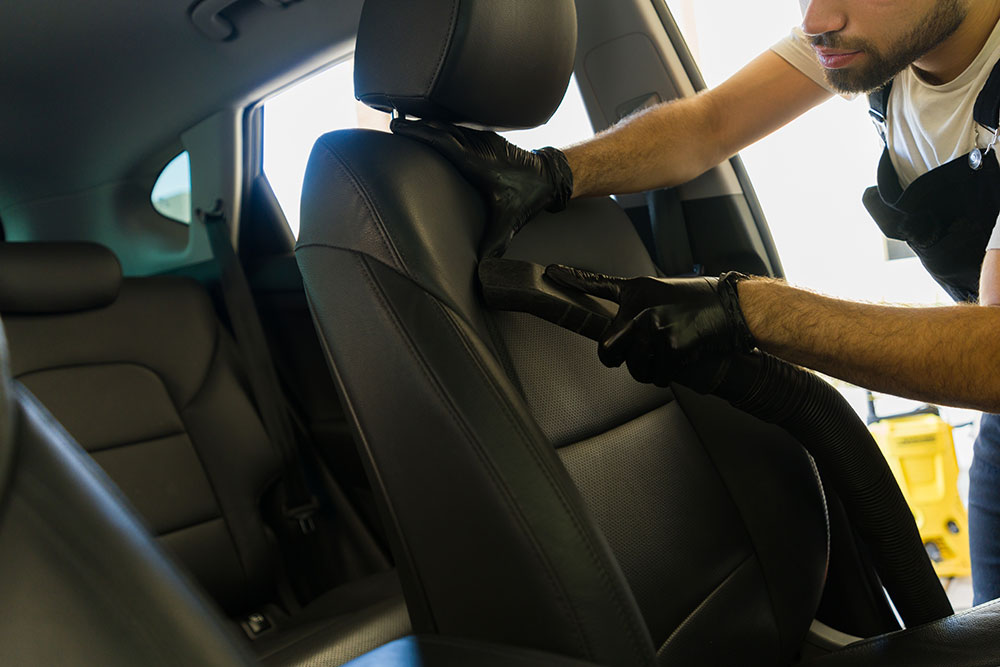
DIY vs. Professional Installation: Which is Right for You?
One of the biggest hidden costs of leather seats is the installation labor. Professional Installation ($500 – $1,000):
If you choose to reupholster, you must go professional. This involves removing the seats from the car, detaching the airbags (which requires safety certification), and using specialized tools like “hog rings” to staple the new leather to the foam.
DIY Custom Fit ($0):
CalTrend’s custom seat covers are designed for the DIY enthusiast.
- No Tools Required: Most installs use a simple strap-and-buckle system.
- Time: You can complete a full interior in about 60–90 minutes.
- Safe: Our covers are side-airbag compatible, ensuring your safety sensors function perfectly.
Frequently Asked Questions (FAQs)
Does adding leather seats increase my car’s value?
Yes. On average, a leather interior can add $500 to $1,500 to a vehicle’s resale value. More importantly, it makes the car significantly easier to sell, as buyers perceive leather-clad vehicles as being “better maintained.”
Can I put leather over my existing cloth seats?
Absolutely. This is exactly what custom seat covers do. They provide the look and feel of leather while acting as a protective barrier for your original upholstery.
How long do leather seat covers last?
High-quality custom covers from CalTrend are designed to last 5 to 10 years depending on usage. We even back our products with a best-in-class warranty.
Is faux leather “sticky” in the summer?
Only the cheap, “universal” vinyl covers feel sticky. Premium Leatherette is designed with automotive-grade materials that remain supple and comfortable even in high temperatures.
Conclusion: Is it Worth the Cost?
If you are looking for a show-quality restoration where money is no object, professional reupholstery for $3,000 is a great path.
However, for 90% of drivers who want the luxury look, easier maintenance, and improved comfort, custom-fit faux leather seat covers are the clear winner. You get the same aesthetic for roughly 15% of the cost of a professional shop.
Ready to transform your interior?
Browse our Faux Leather Collection today and get custom-fit protection for your vehicle!